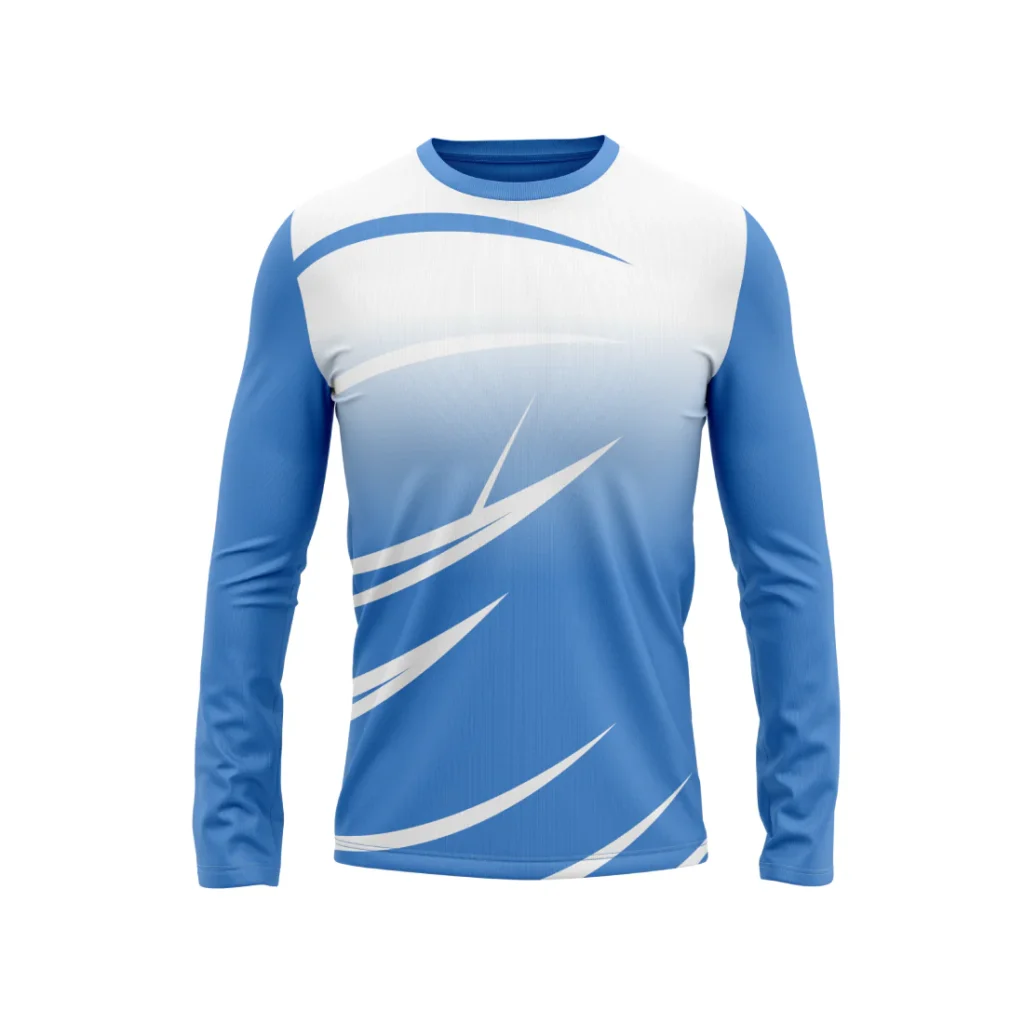
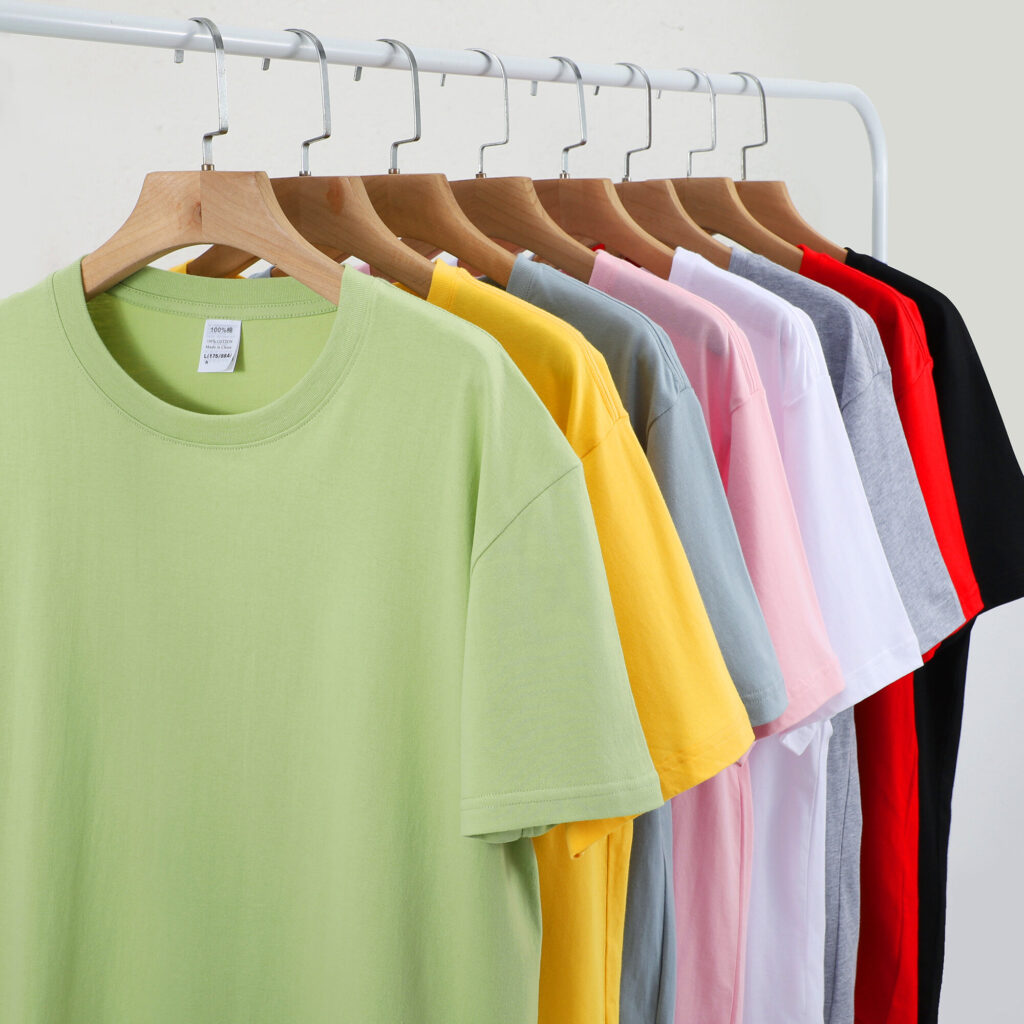
When it comes to sportswear, the material matters, not just for comfort and performance, but also for its impact on the environment. Different fabrics decompose at vastly different rates, and some are much more eco-friendly than others. Here’s a breakdown of some common choices, focusing on sweat absorption, elasticity, embroidery potential, and how long it takes for each material to degrade in nature:
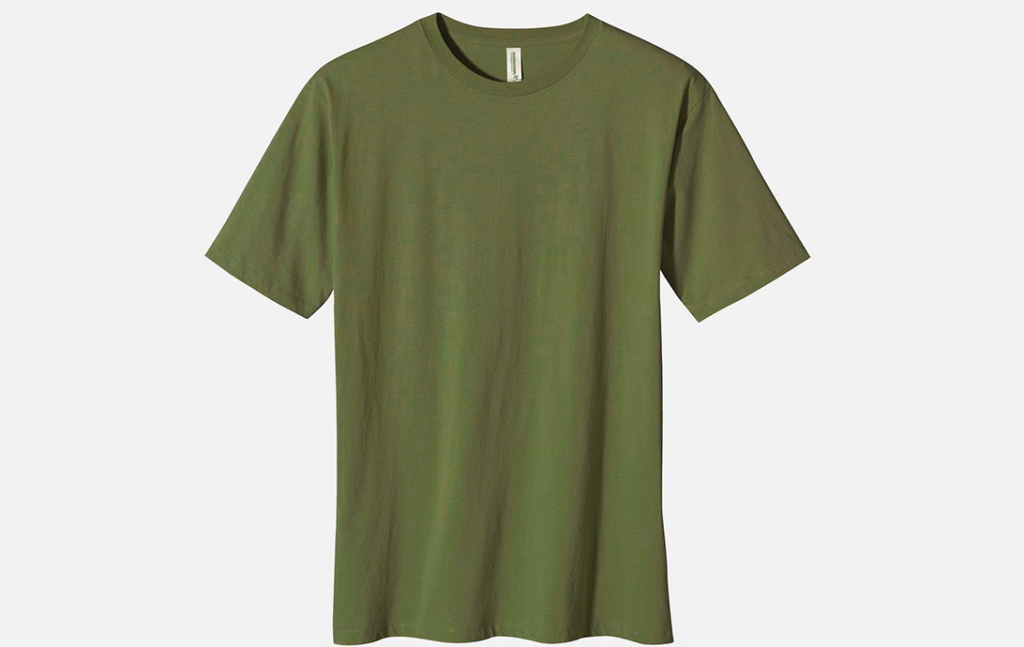
Natural Fibers: Cotton
Pros: Breathable, comfortable, readily available, affordable. Cons: Absorbs sweat and retains moisture, low elasticity. Degrades: Relatively quickly (1-2 years), but frequent washing can accelerate breakdown.
Bamboo Fiber
Pros: Eco-friendly, naturally odor-resistant, good moisture-wicking properties. Cons: Can be expensive, may wrinkle easily. Degrades: Faster than synthetics (several years), but slower than cotton.
Synthetic Fibers: Polyester:
Pros: Lightweight, durable, dries quickly, resists wrinkles, affordable. Cons: Not very breathable, can trap heat. Degrades: Very slowly (hundreds of years), raising environmental concerns.
Nylon:
Pros: Strong, dries quickly, lightweight, good for wind resistance. Cons: Not very breathable, can trap heat, may feel rough on skin. Degrades: Similar to polyester, very slow (hundreds of years).
Spandex (Elastane):
Pros: Exceptionally stretchy, allows for full range of motion, comfortable. Cons: Often blended with other fabrics, not very durable on its own. Degrades: Can vary depending on blend, but generally slower than natural fibers (decades).
Special Fabrics
Microfiber : Pros: Very lightweight, wicks moisture effectively, dries quickly, soft on skin. Cons: Can be expensive, may require special care for washing. Degrades: Similar to polyester blends, slow decomposition (decades to centuries).
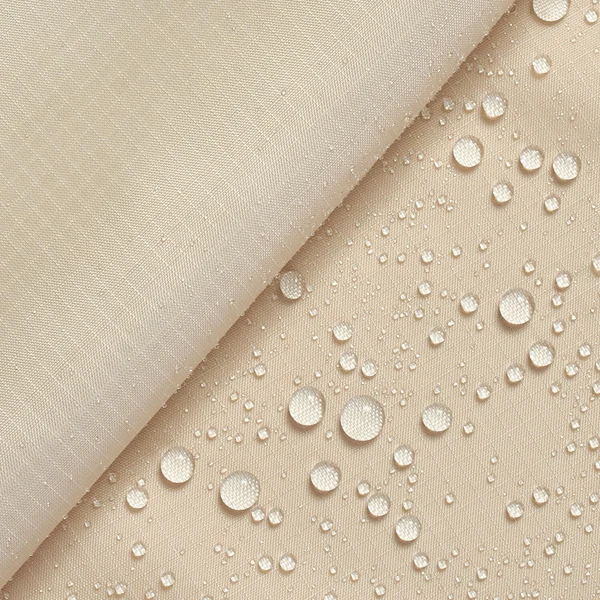
Gore-Tex:
Pros: Waterproof, breathable (depending on type), windproof, good for harsh weather conditions. Cons: Not very stretchy, can be expensive, may feel stiff or bulky. Degrades: Petroleum-based components can take hundreds of years to break down.